
How Oxygen Levels Shape Your Sleep Apnea Picture
Understanding SpO2 dips during apneas reveals why AHI alone doesn't tell the full story of your sleep quality and health risk.
Evidence-based guides and insights to help you get the most out of your CPAP therapy. Written by the CPAP Insights team and reviewed against AASM clinical guidelines.

Understanding SpO2 dips during apneas reveals why AHI alone doesn't tell the full story of your sleep quality and health risk.

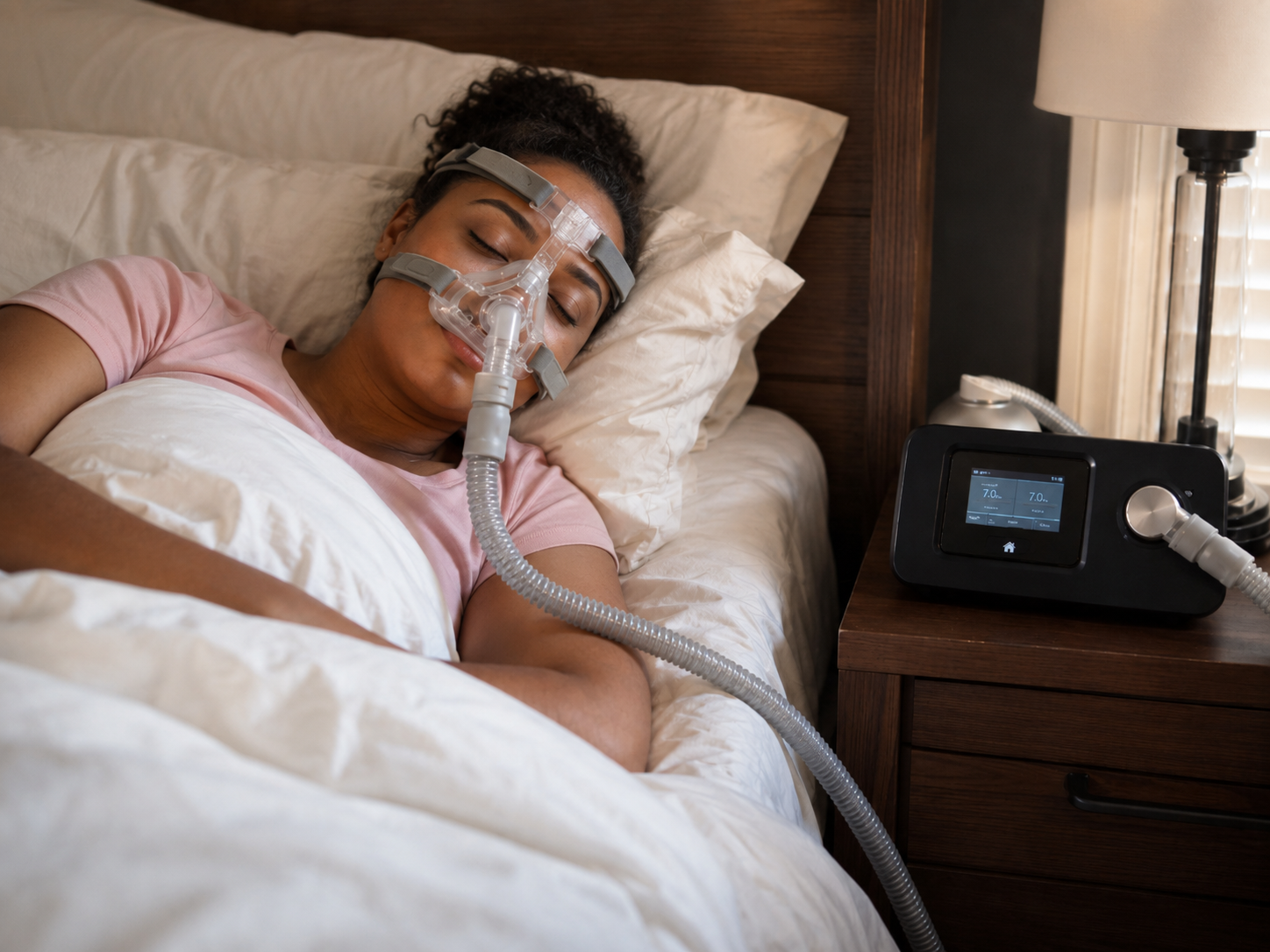
Different sleep positions need different masks. Learn which mask types work best for side, back, and stomach sleeping—and how to avoid leaks.

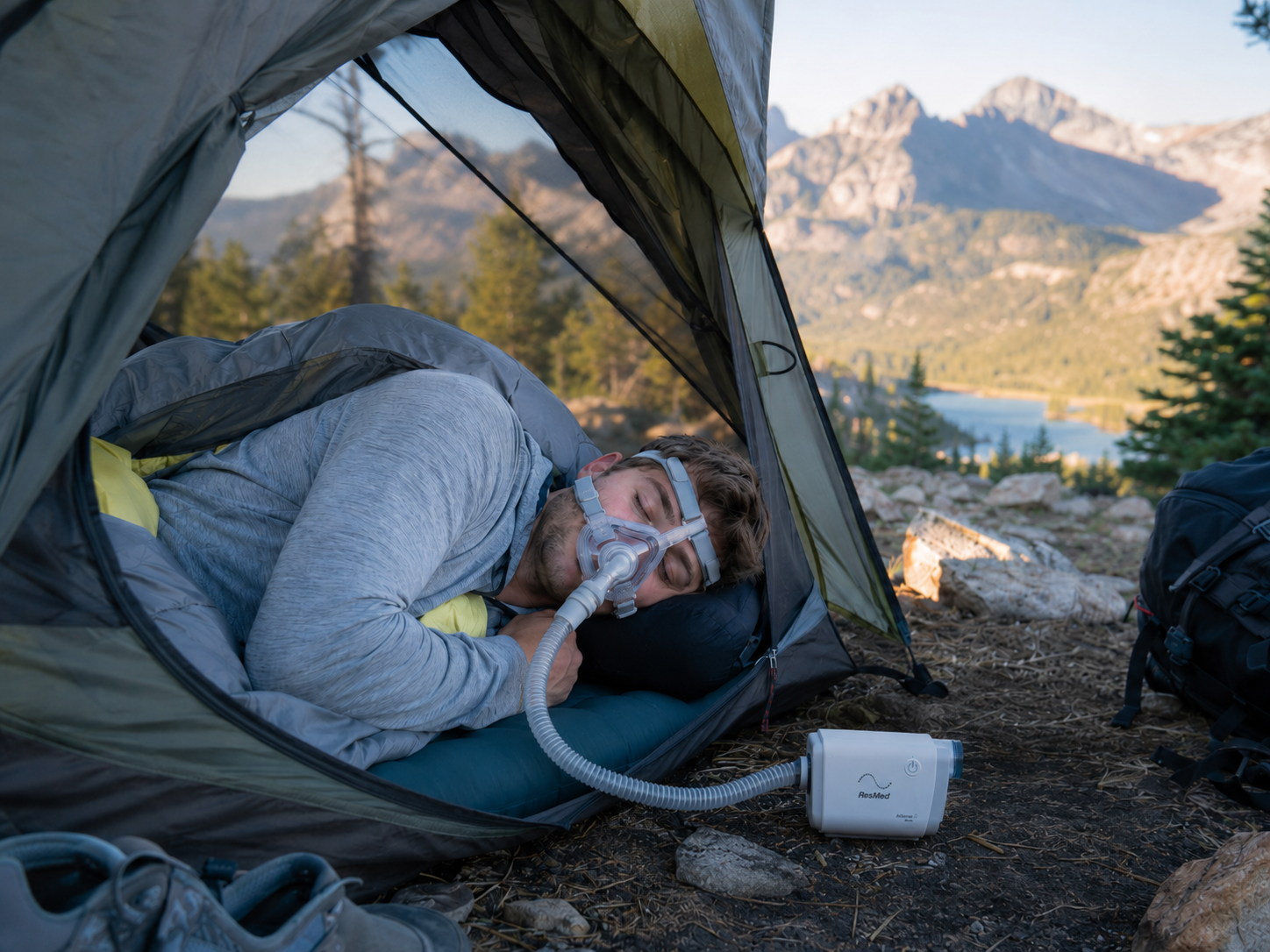
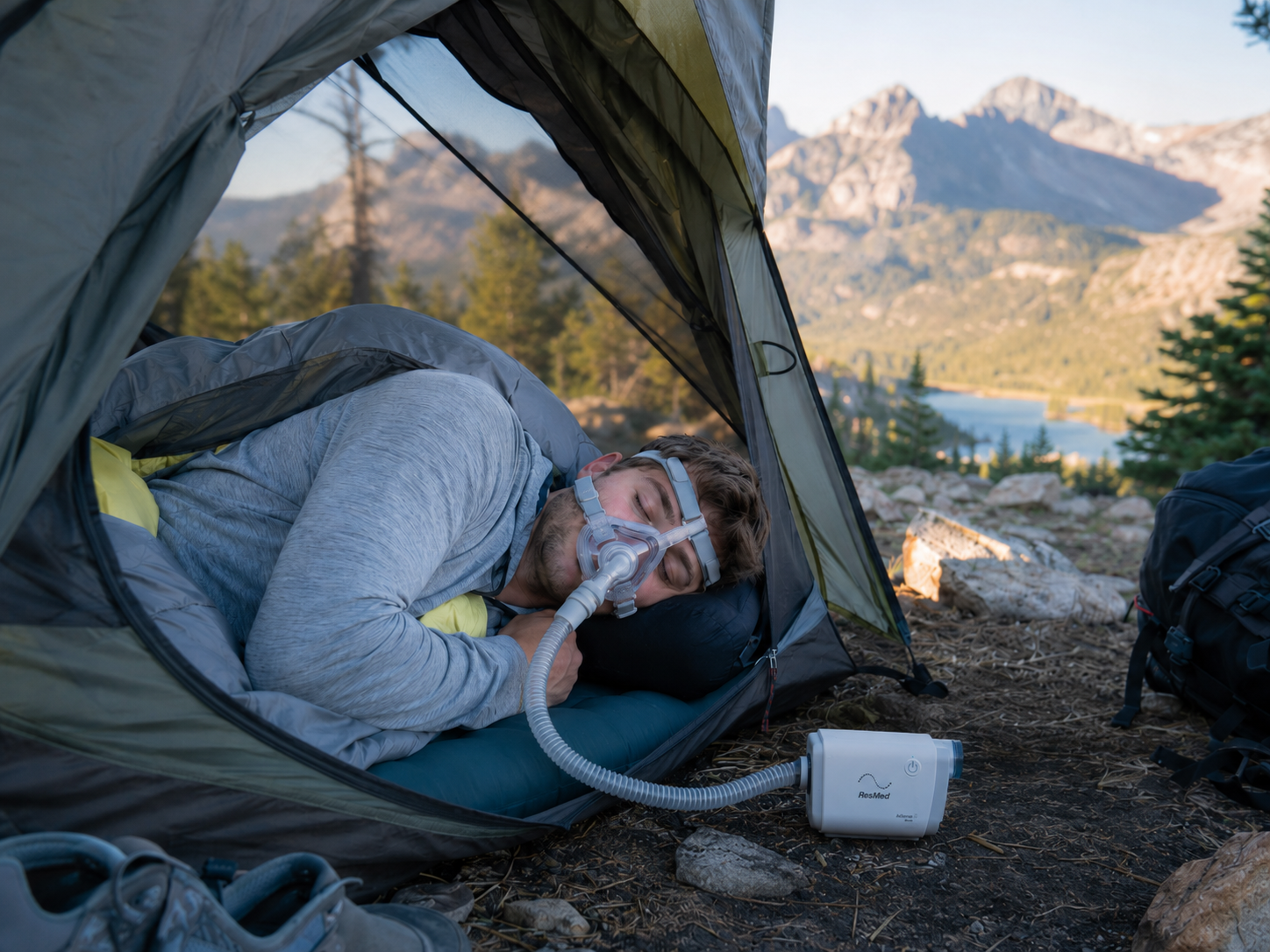
Yes, you can camp with CPAP. Here's what actually works, what doesn't, and when to consider backup strategies like oral appliances.

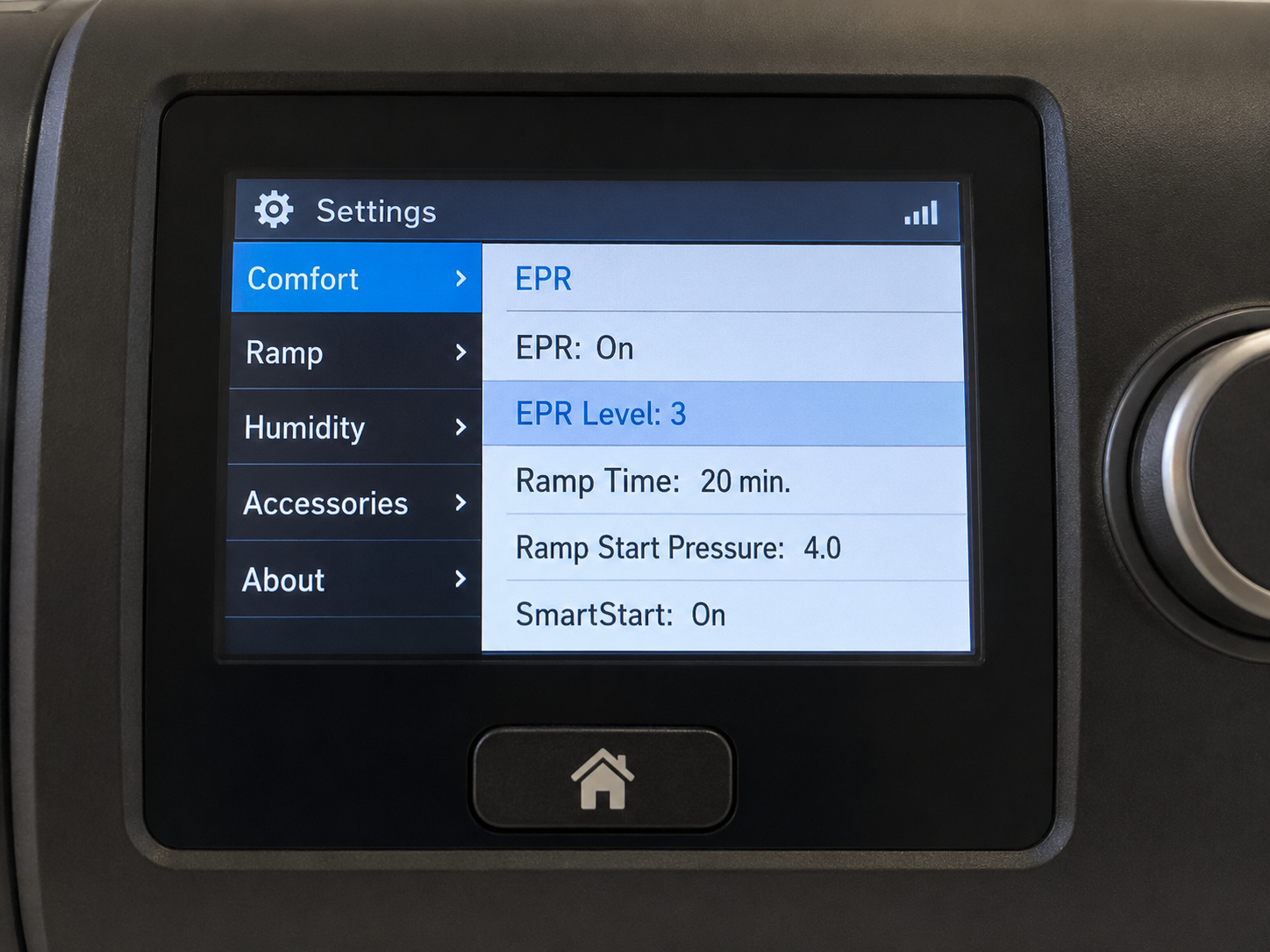
EPR (Expiratory Pressure Relief) softens the exhale phase of CPAP therapy. Learn how EPR 3 reduces the suffocating feeling many new users experience.

Some people starting CPAP therapy develop central apneas that weren't present before. Here's what treatment-emergent central apnea is, why it happens, and what your data can tell you.

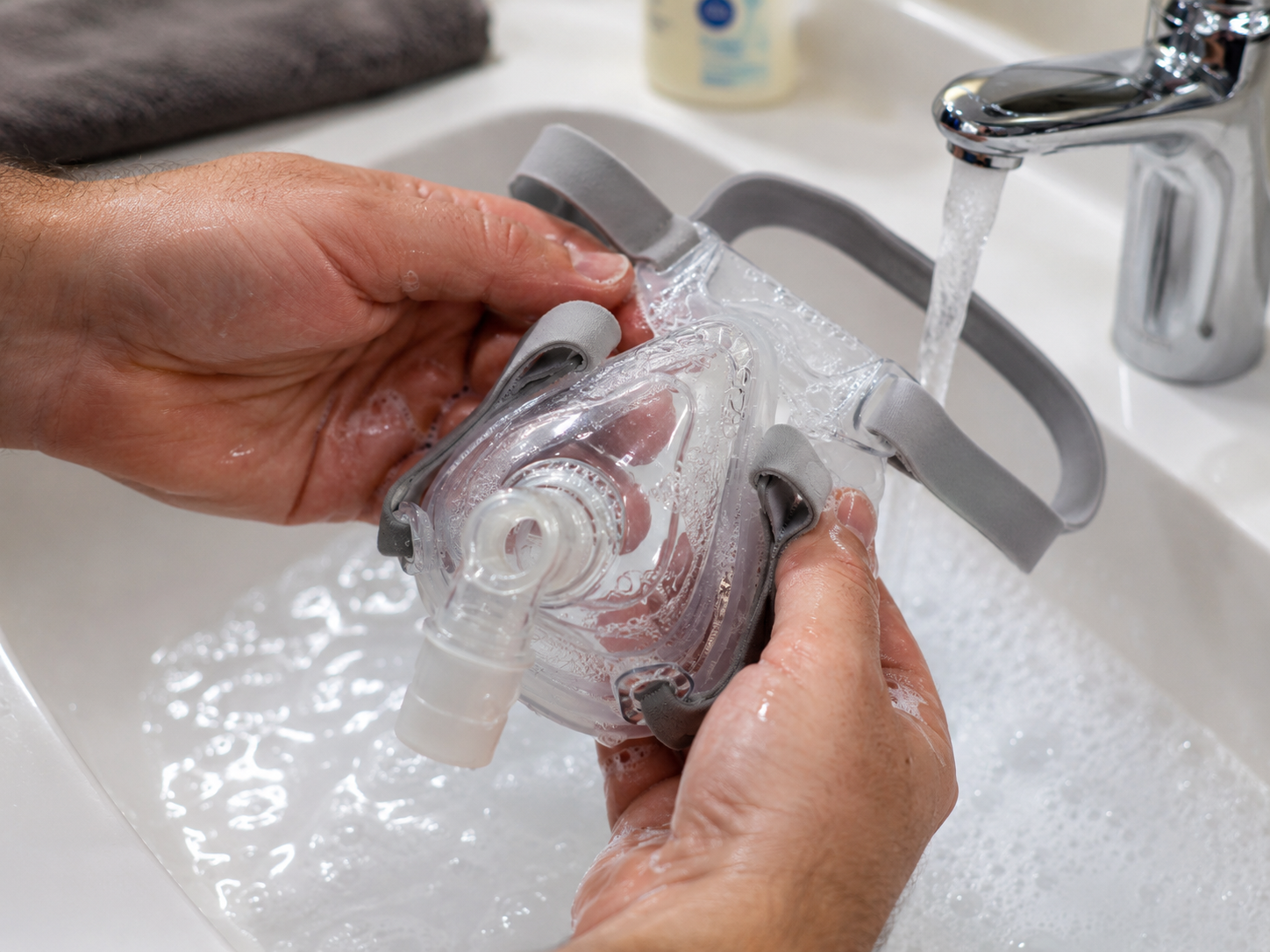
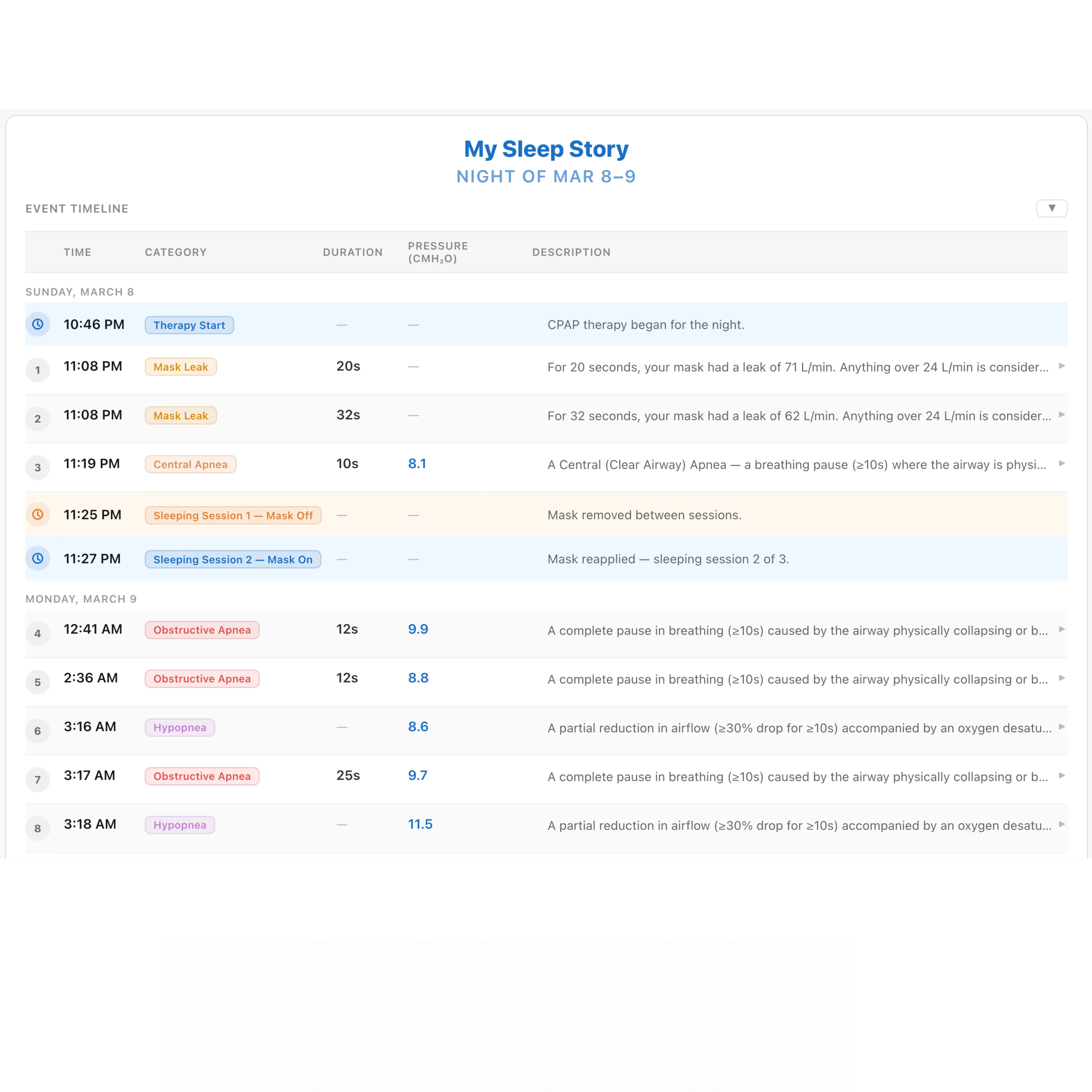
A mask leak is one of the most common — and most fixable — problems in CPAP therapy. Here's how to find exactly when it's happening and what to do about it.

Your AHI (Apnea-Hypopnea Index) is the most commonly cited number in CPAP therapy. But what does it really mean, and when should you look deeper?

Upper Airway Resistance Syndrome (UARS) affects millions but is frequently undiagnosed. Learn how to spot it in your CPAP data and what to do about it.

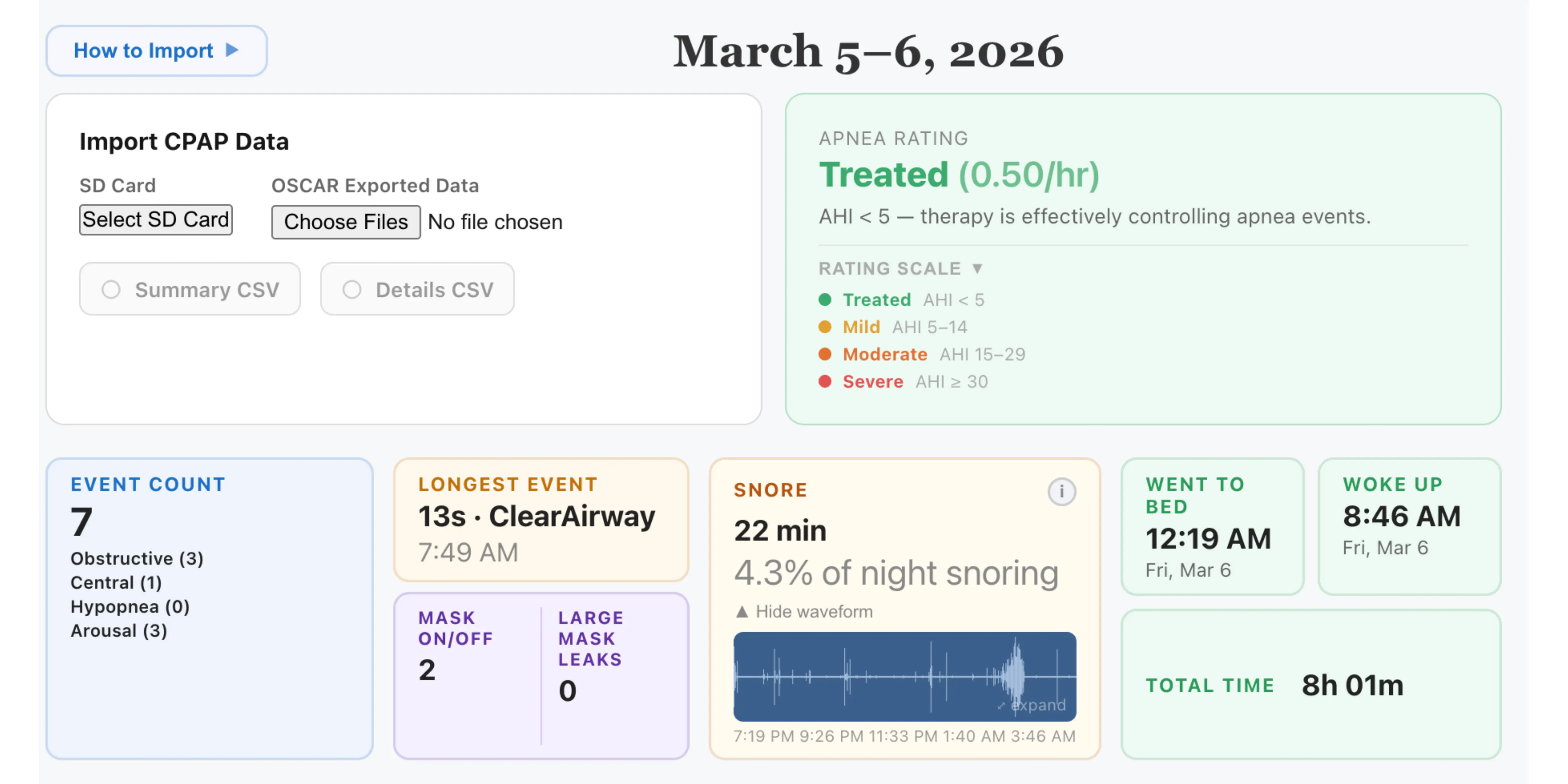
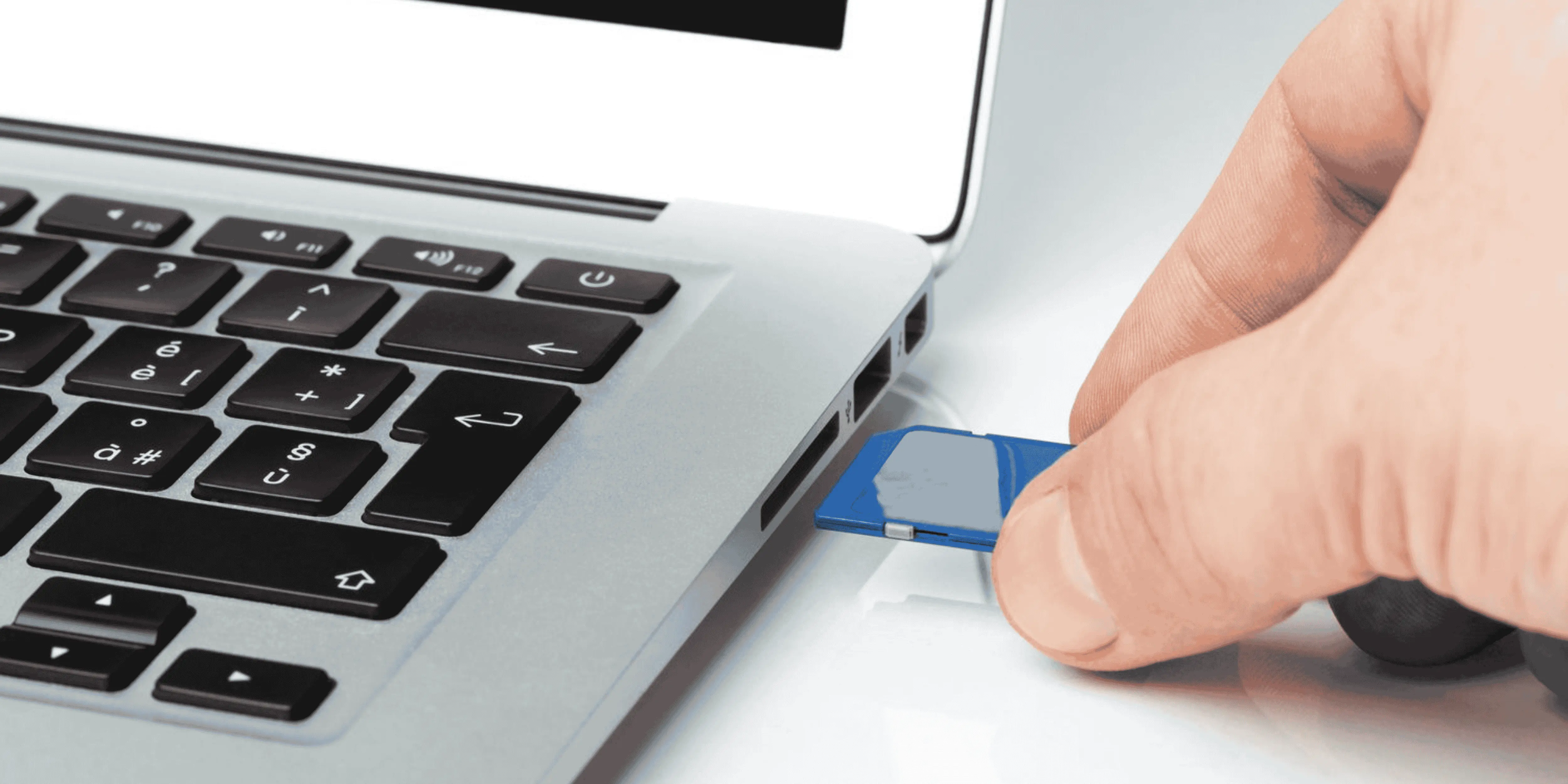
Your CPAP machine records far more data than the MyAir app shows you. Here's how to access the full picture and what to look for.

Auto-titrating CPAP machines don't always get pressure right. Learn how to evaluate your machine's pressure responsiveness from SD card data.