


Why Mask Leak Matters
Your CPAP machine delivers a constant stream of pressurized air to keep your airway open. When that air escapes through gaps in your mask seal — around the nose, mouth, or at the frame — the machine can't maintain the pressure it needs to treat your apnea.
Even moderate leak rates reduce therapy effectiveness. Significant leaks can cause the machine's pressure algorithm to misread conditions, trigger spurious events, and produce inaccurate AHI readings. Your ResMed device logs every second of leak data on its SD card.
Large Leaks vs. Intentional Leak
Your mask has deliberate vent holes that release exhaled CO₂ — this is called intentional leak (also labeled "vent flow" in some reports). This is normal and expected.
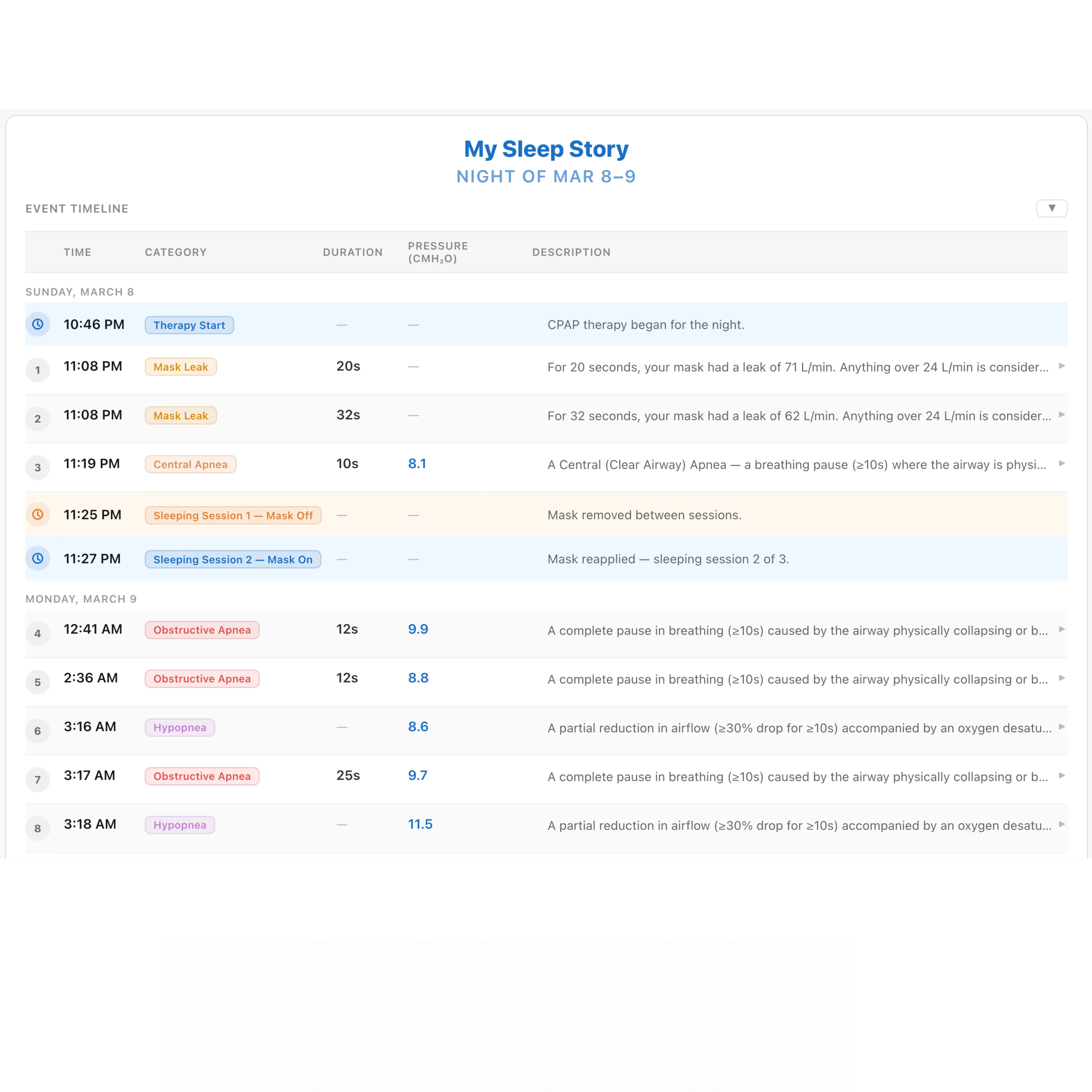
A large leak, by contrast, is unintentional air escape from a broken seal. ResMed's threshold for flagging a large leak event is typically around 24 L/min above the expected vent flow. The SD card data distinguishes between these — CPAP Insights shows your unintentional leak rate (after subtracting vent flow) as a separate signal.
In your nightly data, look for:
- Leak rate persistently above 24 L/min — your seal is compromised for sustained periods
- Spike-and-drop patterns — usually mouth breathing, positional seal breaks, or pillow contact
- Gradual ramp-ups — often a slow seal failure as you move in sleep or the mask warms up
Reading Your Leak Data in CPAP Insights
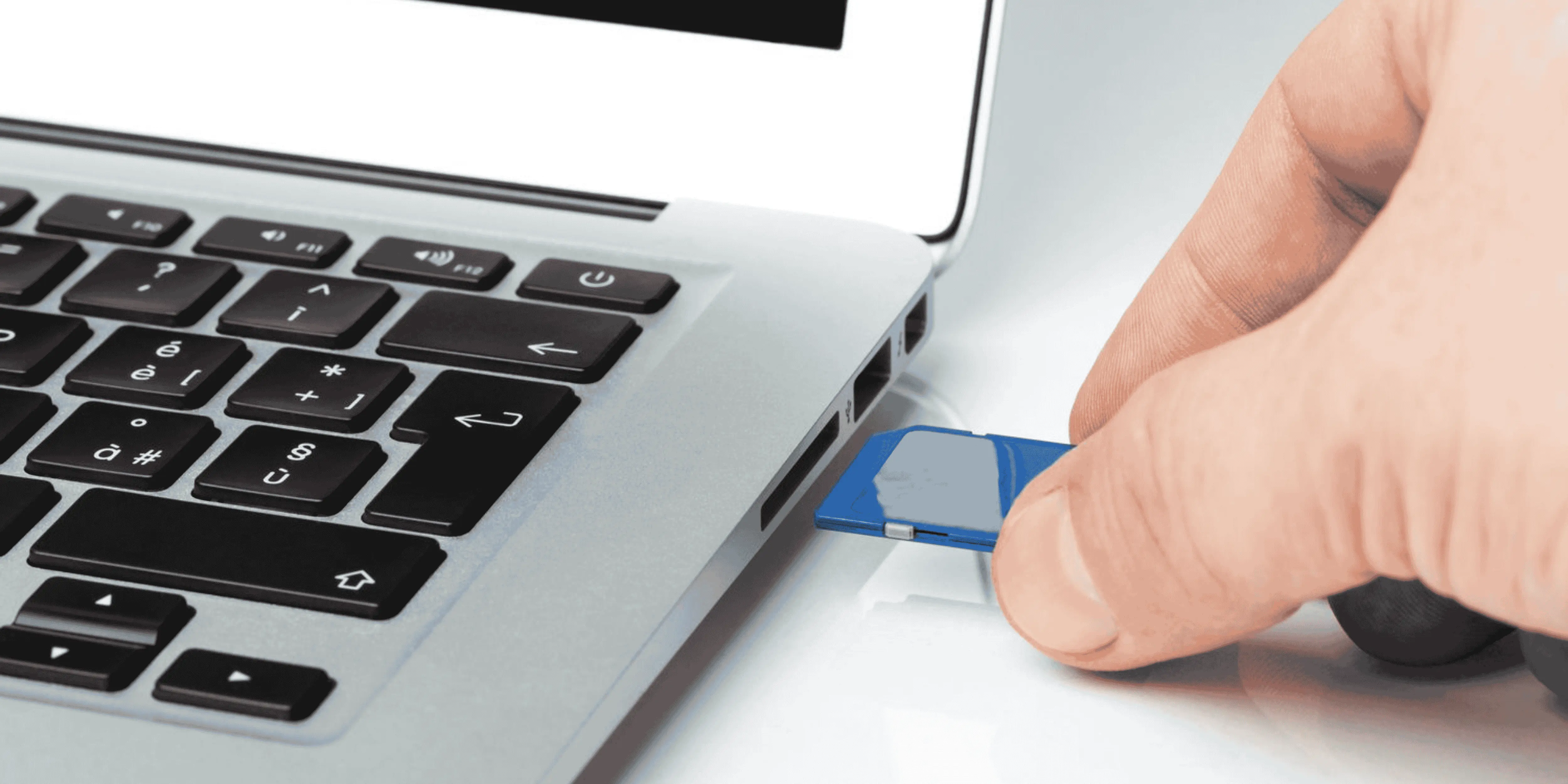
Import your SD card and open the nightly detail view. The leak rate chart shows your unintentional leak throughout the night overlaid on a timeline.
Things to note:
- The timestamp when leak starts — does it correlate with your turn-over time, a bathroom break, or deep sleep onset?
- Whether leak correlates with AHI spikes — if apneas cluster at the same time as leaks, the events may be artificially elevated
- Whether the leak is uniform or episodic — uniform leak usually means a poor initial fit; episodic leak usually means movement or mouth breathing
Use Build a Graph to overlay leak rate with pressure and flow limitation — if your machine raised pressure in response to an apparent event cluster, but the cluster coincides with a leak, you may be chasing false positives.
Common Causes and Fixes
Mask fit problems:
The most common cause. Masks should feel snug but not tight — over-tightening often makes leaks worse by distorting the cushion. If your mask is well-fitted but leaking, the cushion may need replacement (ResMed recommends replacing cushions every 1–3 months).
Mouth breathing:
If you use a nasal or nasal pillow mask, air escaping through an open mouth will register as a large leak. Symptoms: large leaks appear consistently, often worse as sleep deepens. Solutions: chin strap, mouth tape, or switching to a full-face mask. Your data will show persistent mouth leak rather than brief seal breaks.
Positional issues:
Side sleepers often see leaks when their mask presses against a pillow. CPAP-specific pillows with mask cutouts can eliminate this. Check whether your leak timestamps cluster in the second half of the night when you're in your deepest sleep position.
Worn cushion or frame:
Silicone cushions harden and crack over time, especially with frequent washing. A new cushion for your model often resolves months of troublesome leak data.
Pressure-related leaking:
At higher pressure settings, even a good seal can gap. If leak appeared after a pressure increase, that's worth noting when discussing settings with your sleep doctor.
When to Talk to Your Sleep Doctor
If your leak rate is consistently above 24 L/min despite mask adjustments, bring your data printout to your next appointment. A proper mask fit session with a respiratory therapist — often available through your DME supplier at no extra cost — is the most effective intervention for persistent leak issues.
If leak correlates with an elevated AHI that your doctor is using to make therapy decisions, it's important to flag the leak data so the events can be interpreted in context. An AHI inflated by leak artifacts may be masking your true therapy effectiveness.