


Why a Dirty Mask Is More Than Just Gross
When I first started CPAP therapy, cleaning the mask felt like just another chore to skip. Within two weeks, I had a red, itchy ring around my nose that made wearing the mask at night almost unbearable. It turns out I was far from alone.
Your mask cushion sits against your face for six to eight hours every night. During that time it collects:
- Skin oils and dead skin cells that break down silicone over time
- Sweat and moisture, which create a warm, humid environment bacteria love
- Residue from skincare products like moisturizers and night creams
- Airborne particles from your bedroom environment
That buildup doesn't just degrade the mask material — it directly contacts your skin night after night. Dermatologists classify this type of reaction as contact dermatitis, an inflammatory skin response triggered by repeated exposure to an irritant or allergen. The silicone itself is usually not the culprit; it's the biological layer that accumulates on top of it. A clean mask is a non-negotiable foundation for comfortable, consistent therapy.
The Two Types of Rashes CPAP Users Get
Not all CPAP-related skin reactions are the same, and knowing which type you're dealing with helps you respond appropriately.
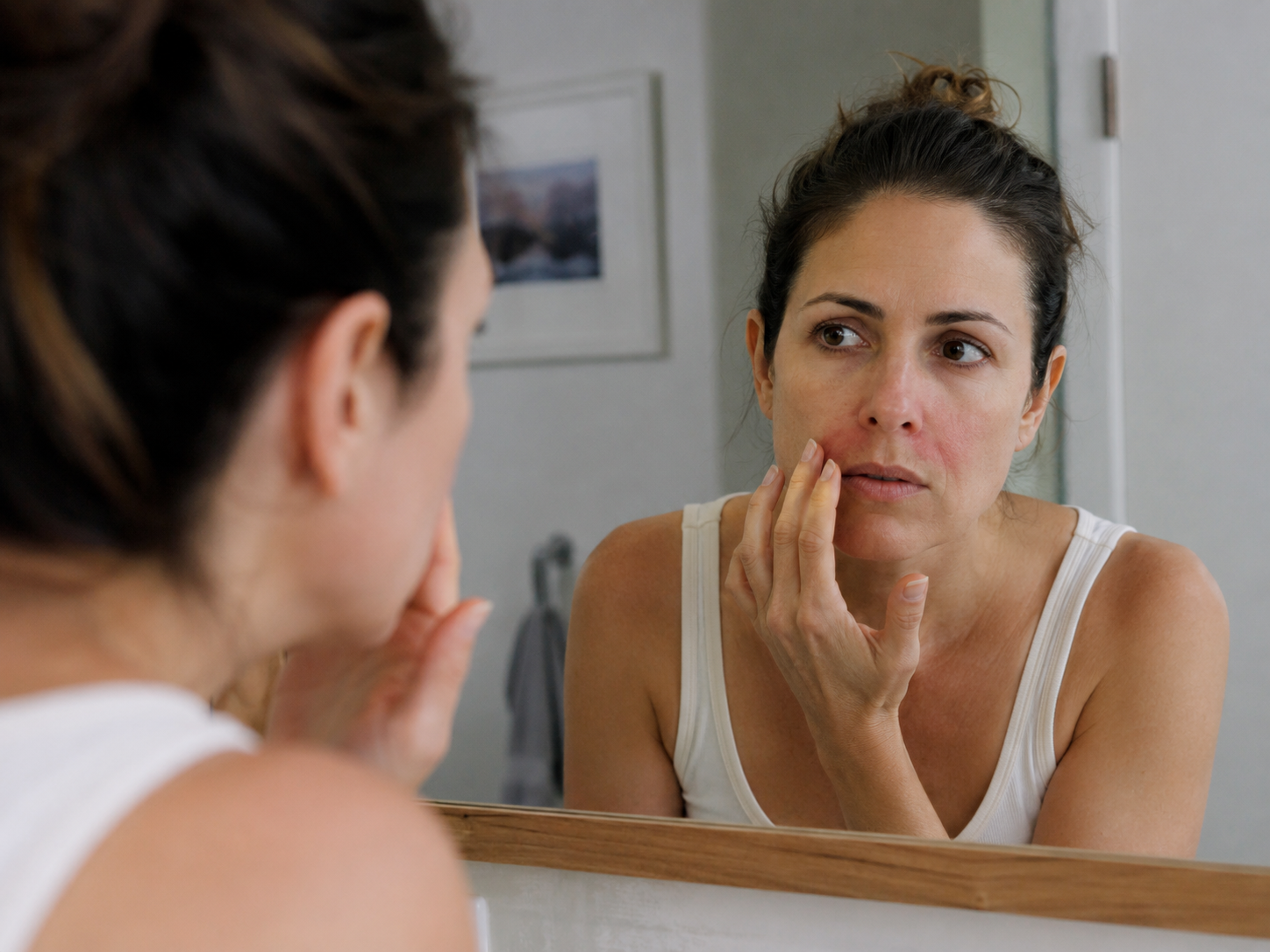
Irritant contact dermatitis is the most common. It looks like redness, mild swelling, or a faint rash that follows the exact outline of your mask cushion. It's caused by physical irritation — oil buildup, friction, or chemical residue from cleaning products that weren't fully rinsed off. This type typically clears up within a few days once you address the cause.
Allergic contact dermatitis is less common but more persistent. This is a true immune response, often to silicone additives, latex (in older masks), or fragrance compounds in cleaning wipes. It can appear as hives, blistering, or a rash that spreads slightly beyond the mask contact area. This type may take one to three weeks to fully resolve even after removing the trigger.
A third issue worth mentioning is acne mechanica — breakouts caused by pressure and occlusion against the skin, particularly around the nose and cheeks. This isn't an allergic reaction but it's aggravated by the same dirty-mask conditions.
If your rash is spreading, blistering, or not improving after a week of consistent cleaning, that's worth a conversation with a dermatologist or your prescribing physician.
How Often Should You Actually Clean Your Mask?
The AASM and most mask manufacturers recommend a daily wipe-down of the cushion and a full wash at least once per week. In practice, daily cleaning makes a dramatic difference and takes about 90 seconds once it becomes habit.
Here's the routine that works:
- Every morning: Wipe the mask cushion with an unscented baby wipe or a damp cloth with a small drop of mild dish soap. Rinse thoroughly and let it air dry away from direct sunlight — UV exposure degrades silicone faster than almost anything else.
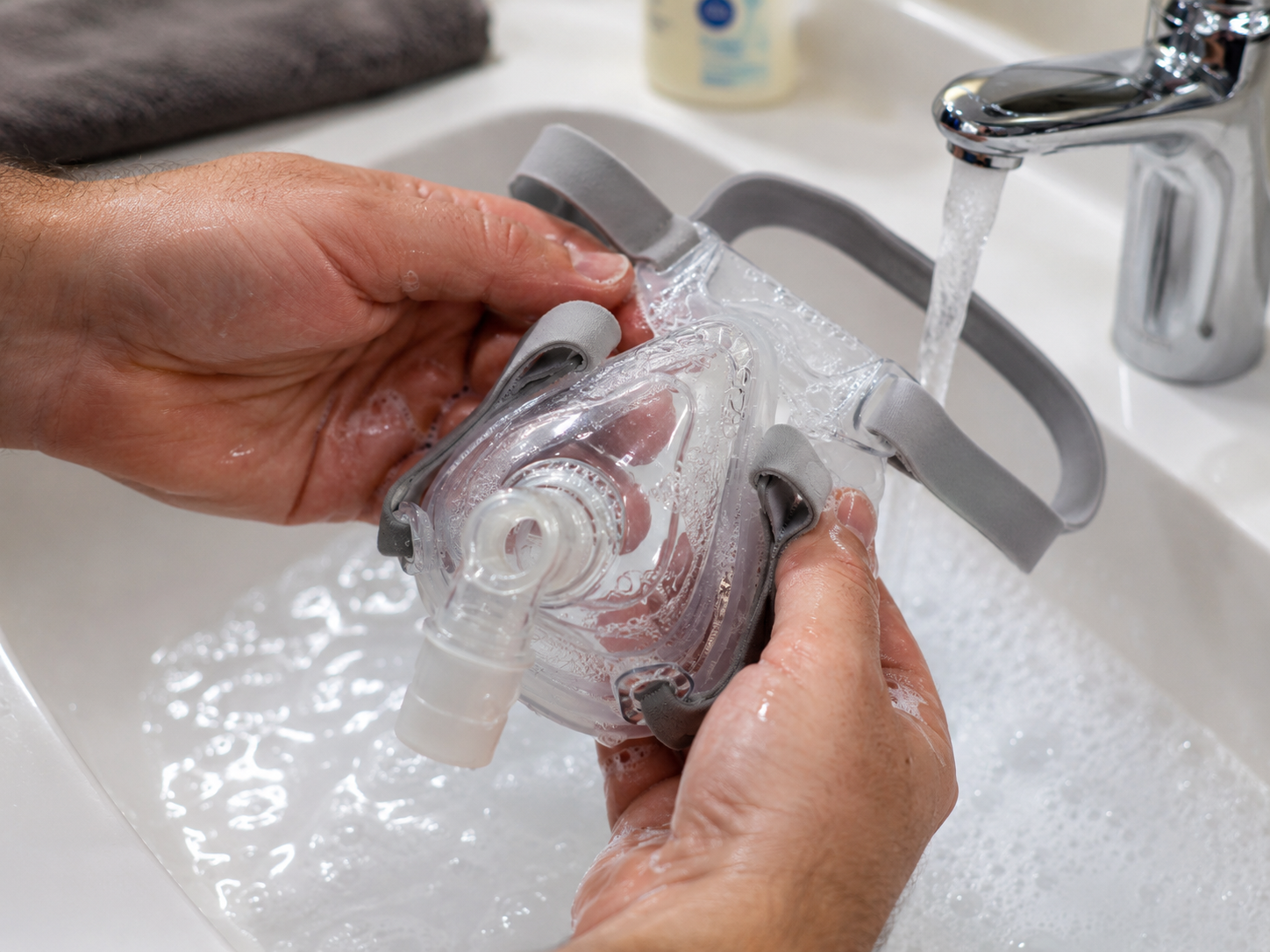
- Once a week: Fully disassemble the mask (cushion, frame, headgear). Hand-wash each component in warm water with a small amount of fragrance-free dish soap. Rinse thoroughly until no soap residue remains. Air dry completely before reassembling — never microwave or use a dryer.
- Headgear: Wash weekly as well. Fabric headgear holds oils and sweat that transfer back to your face even after you've cleaned the cushion.
What to avoid: Alcohol-based wipes, bleach, scented soaps, and antibacterial washes with triclosan. These can degrade silicone and leave residues that irritate skin or cause the cushion to stiffen and lose its seal.
Skincare Habits That Make Things Worse (or Better)
Your pre-bed skincare routine has a bigger impact on mask hygiene than most people realize. Heavy moisturizers, face oils, and retinol creams applied right before bed transfer directly onto the silicone cushion, breaking down the material and creating a film that harbors bacteria. If you use these products, apply them at least 30 minutes before putting on your mask, and avoid the contact zones where possible.
On the other hand, some habits actually help:
- Washing your face before bed removes the day's oil and product buildup before it ever reaches the mask. This single habit extended my cushion life noticeably.
- A thin barrier cream like plain zinc oxide or unscented aloe can soothe irritated skin in the short term, but use it sparingly — excess cream still transfers to the mask.
- Mask liners (thin fabric or fleece inserts that sit between your skin and the cushion) are a useful option for people with particularly sensitive skin or persistent irritation. They're washable, inexpensive, and create a breathable buffer. Some users find they slightly affect seal quality, so it's worth a trial period.
If redness persists despite good hygiene, consider whether your cushion is due for replacement. Most manufacturers recommend replacing cushions every one to three months, and a worn cushion that doesn't seal properly increases both friction and leak-related pressure fluctuations.
When Mask Fit Is the Real Problem
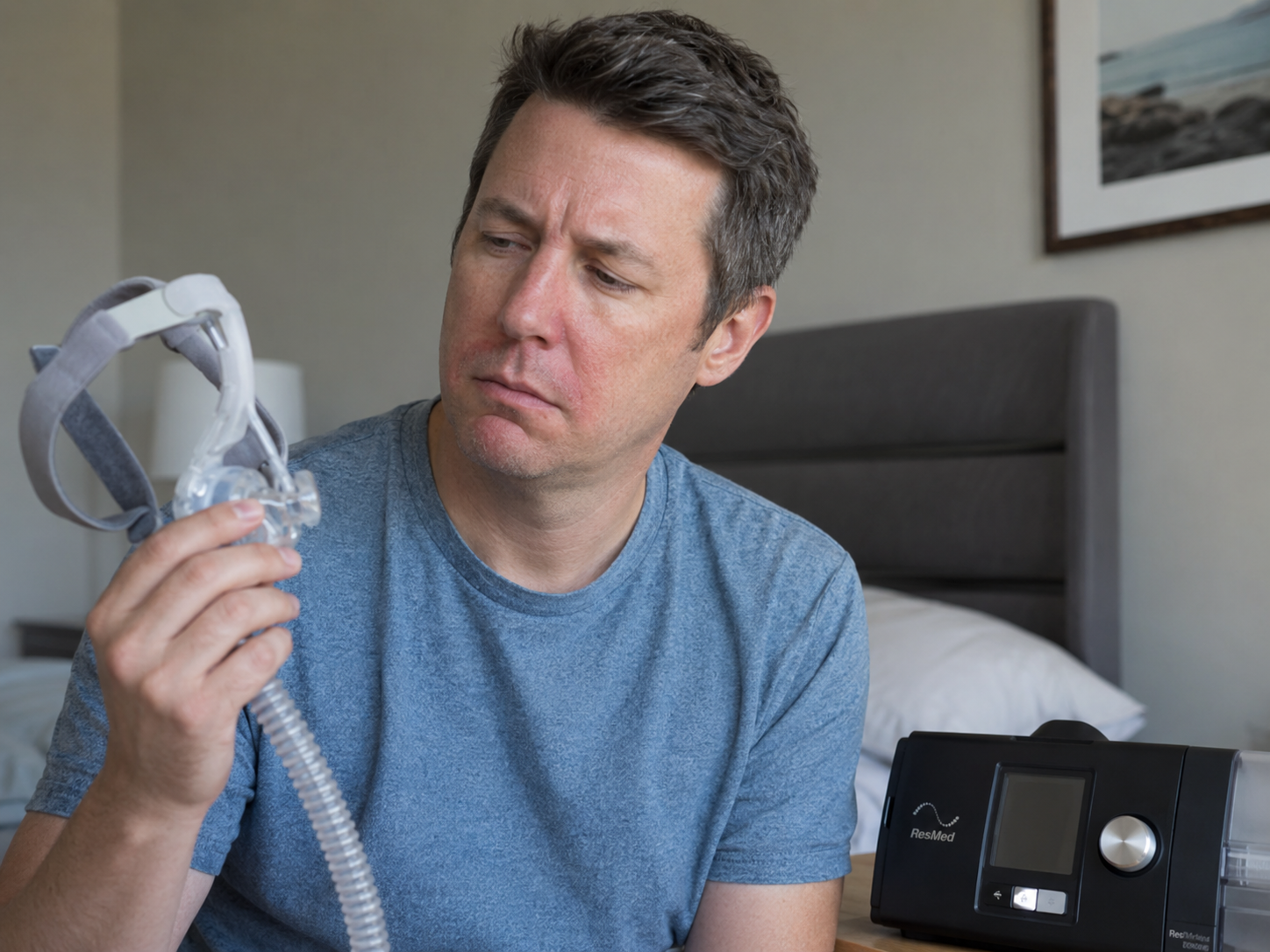
Sometimes a rash isn't really about cleanliness — it's about fit. A mask that's too tight leaves pressure marks and restricts blood flow to the skin, and a mask that's too loose shifts during sleep, creating friction across the cheek or nose bridge with every movement.
Signs that fit is contributing to your skin issues:
- Red marks that are deeper or more raised than typical mask outline redness
- Soreness on the bridge of the nose (a classic sign of over-tightening a nasal mask)
- Redness that appears asymmetrically — one side worse than the other — suggesting the mask is rotating during sleep
If you're experiencing leaks at night and compensating by cranking the headgear tighter, the underlying issue might actually be pressure settings or cushion wear rather than fit. This is one area where looking at your therapy data can be genuinely useful. In CPAP Insights, you can use the Build a Graph feature to check whether you're seeing elevated leak rates at specific times of night, which can help you identify whether positional changes or pressure fluctuations are causing the seal to fail — information worth bringing to your sleep doctor before you assume the answer is a tighter strap.
A properly fitted mask should feel snug enough to maintain a seal with the minimum tension necessary. If you can fit two fingers under the headgear strap, that's generally a reasonable starting point.
Building the Habit: Making Cleaning Stick
The gap between knowing you should clean your mask and actually doing it every day is mostly a systems problem. A few things that helped me:
- Keep supplies visible. A small dish of unscented wipes on your nightstand removes all friction from the morning wipe-down.
- Clean it right when you take it off. Waiting until later means it usually doesn't happen. A 30-second wipe immediately after waking takes almost no effort.
- Tie the weekly wash to something you already do — laundry day is a natural anchor, since the headgear goes in the wash anyway.
- Replace on a schedule, not when things fall apart. Setting a calendar reminder every 90 days for cushion replacement means you're never limping along with degraded silicone.
Skin reactions from a dirty mask are almost entirely preventable with consistent habits. And unlike a lot of CPAP troubleshooting, this is one problem you don't need data or a doctor's appointment to solve — just warm water and five minutes. That said, if you're dealing with a persistent rash that isn't responding to better hygiene, or if you're not sure whether your therapy settings might be contributing to poor compliance, it's always worth discussing with your sleep doctor or a dermatologist who has experience with medical device users.